|
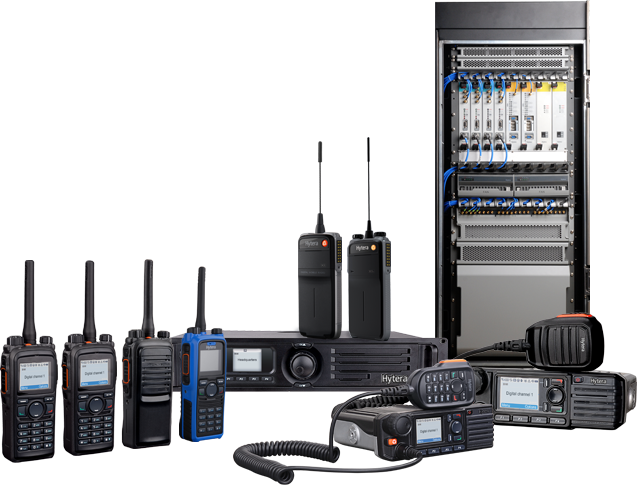
Problem: Two-way radios (UHF/VHF) are restricted by distance, terrain, and signal interference.
Traditional two-way radios often called land mobile radios (LMRs)—depend on radio frequency (RF) signals transmitted between handheld or vehicle-mounted units and fixed repeater towers. While this setup has been the backbone of business communication for decades, it comes with some inherent coverage limitations.
1. Line-of-Sight Dependence: Two-way radios transmit over VHF or UHF frequencies, which are heavily influenced by line of sight. Buildings, trees, hills, and even weather conditions can block or weaken the signal. The farther you move from the transmitting antenna, the weaker the communication becomes. In dense urban areas or rugged rural terrain, this can mean dead zones or unreliable reception.
2. Range Restrictions: Even in optimal conditions, most traditional two-way radios have a limited range—typically a few miles for handheld units and up to 20–30 miles when using repeaters. To extend beyond that, companies must invest in complex radio infrastructure, including multiple repeater sites, antennas, and FCC-licensed frequencies.
3. Infrastructure Costs and Coverage Gaps: Expanding coverage with a traditional radio network can be expensive and complicated. Each new repeater site requires tower access, frequency coordination, and ongoing maintenance. For businesses with wide or multi-state operations—like transportation, utilities, or logistics—this quickly becomes impractical. Coverage is only as good as the infrastructure you’ve built or rented.
4. No Nationwide Connectivity: Unlike cellular networks that provide coast-to-coast coverage, traditional radios stop working once you’re outside your system’s footprint. That means drivers traveling between states or teams spread across multiple regions can’t communicate without separate systems or additional networks.
5. Interference and Frequency Congestion: In some areas, especially around cities or industrial zones, the radio spectrum is crowded. Competing users and signal interference can degrade performance and reliability. Without digital filtering or advanced frequency management, conversations can get noisy or cut out entirely.
PoC LTE Solution: Uses 4G/LTE and Wi-Fi networks for nationwide coverage, enabling communication across cities, states, or even the country.
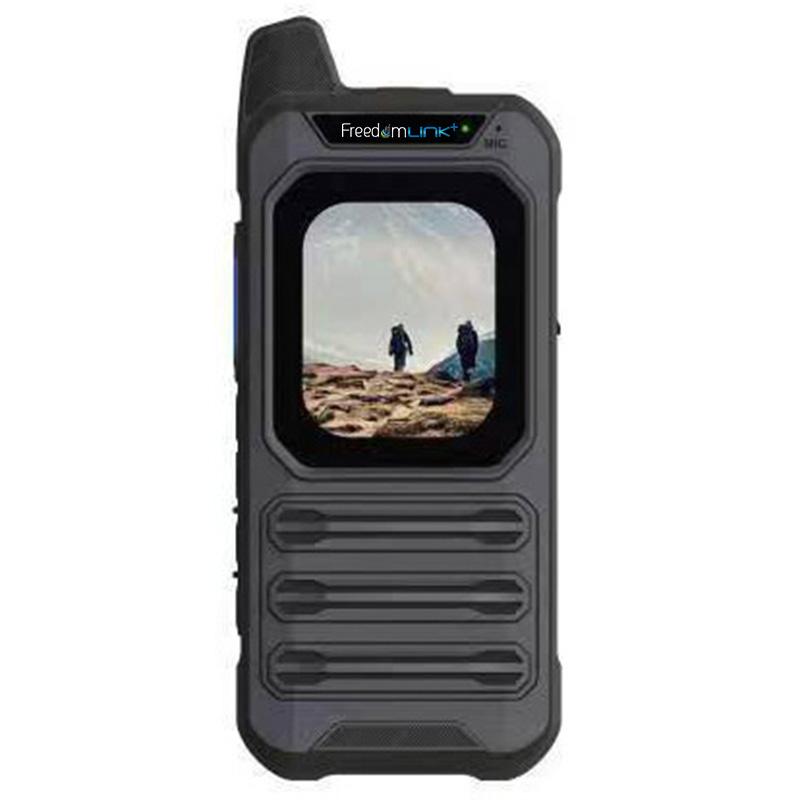
The FreedomLINK+ WC5 eliminates those coverage boundaries by using nationwide LTE and Wi-Fi networks instead of traditional radio frequencies. That means your teams stay connected anywhere with cellular or Wi-Fi service — whether they’re across town or across the country.
|